
Outpatient Joint Replacement: Going Home the Same Day — Is It Right for You?
The prospect of undergoing a major hip or knee replacement used to mean a multi-day hospital stay and a long road to recovery.
Dr. Frisch is committed to educating his patients on the latest information and technology in orthopedic care. Check out his blog to learn about the latest trends in healthcare.
The prospect of undergoing a major hip or knee replacement used to mean a multi-day hospital stay and a long road to recovery.
When debilitating knee pain, stiffness, and discomfort begin to limit your life, a knee replacement can feel like the only way forward. The prospect of surgery, however, often raises questions about precision and healing time. The good news is that orthopedics is constantly evolving, and today, advanced technology can help achieve surgical excellence. Learn how robotic-assisted knee replacement is setting a new standard for patient outcomes and a quicker return to mobility.
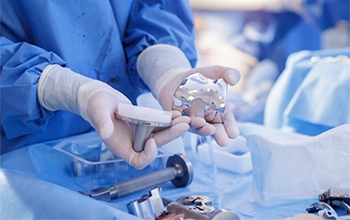
Sensor-enabled implants and materials engineered for long-term durability, surgical innovations are transforming what’s possible in the operating room. These innovations, plus robotic technologies, offer outcomes that were not possible a decade ago, giving patients improved function and confidence in their recovery.
Preparing for hip or knee replacement surgery is about creating the right conditions for healing during recovery. One lifestyle habit that can significantly affect your surgical outcome is smoking.
A new joint can change a patient’s life, but true recovery takes more than surgical precision. Strength, mobility, and confidence must all be rebuilt carefully and consistently. How this is achieved makes all the difference. Here’s why physical therapy is the key to ensuring a successful recovery.
Carrying excess weight does more than strain your heart. It also places significant stress on your hips and knees. For patients considering hip or knee replacement surgery, body mass index (BMI) is more than just a number. It can influence recovery, complication risk, and long-term implant success. This blog explains how BMI impacts surgical outcomes.