


Total Knee Replacement
Total Knee Replacement in Auburn Hills and the Detroit, Michigan Area
Total knee replacement, also called total knee arthroplasty, is surgery that removes the worn or damaged surfaces of your knee joint and replaces them with artificial parts. It helps people whose knee arthritis causes pain, swelling, and stiffness that limit walking, climbing stairs, or sleep after nonsurgical treatments stop working.
Nicholas B Frisch, MD | MBA, is a fellowship-trained, board-certified orthopedic surgeon specializing in hip and knee replacement, outpatient surgery, robotic-assisted procedures, complex revision, and advanced technology. From his Auburn Hills office, Dr. Frisch treats patients from Rochester Hills, Troy, Pontiac, Bloomfield Hills, Birmingham, Lake Orion, Clarkston, Sterling Heights, and communities across Southeast Michigan.
Total knee replacement is a safe and effective procedure to relieve pain, correct leg deformity, and help you return to your normal daily activities.
Outpatient Knee Replacement
Outpatient knee replacement lets qualified patients have a total or partial knee replacement and go home the same day. The implants and surgical techniques are the same as a hospital procedure; the difference is that you begin your recovery in the comfort of your own home.
Knee replacement was traditionally an inpatient procedure. Improved anesthesia around the time of surgery, minimally invasive techniques, and rehabilitation that starts soon after surgery now make same-day discharge possible for many patients.
What Your Surgery Day Looks Like
You typically spend a few hours in the recovery area and begin walking on your new knee right away with physical therapy and nursing staff. Once your pain is well controlled and you can walk safely, most patients are discharged home that day.
Are You a Candidate for Outpatient Knee Replacement?
Not every patient is a candidate for outpatient joint replacement. Dr. Frisch evaluates your medical history, overall health, home support system, and treatment goals. Good candidates are typically in good overall health, have appropriate support at home, and meet specific medical and surgical criteria. The decision is made together with Dr. Frisch and your family.
How Dr. Frisch Supports Same-Day Recovery
- Detailed education before surgery
- Early mobilization, with walking on the day of surgery
- Multimodal pain management
- An individualized rehabilitation program
Potential benefits include recovering in the comfort of your own home, a shorter hospital stay, and a streamlined surgical experience.
Who Is a Candidate for Total Knee Replacement?
You may be a candidate for total knee replacement if severe knee arthritis causes pain that limits your daily activities and has not improved with conservative treatment. Osteoarthritis is the most common reason, though rheumatoid arthritis, post-traumatic arthritis, and other degenerative joint conditions can also lead to knee replacement.
Dr. Frisch May Recommend Knee Replacement If You Have
- Severe knee pain that limits daily activities such as walking, getting up from a chair, or climbing stairs
- Moderate to severe pain while resting or pain that wakes you at night
- Chronic knee inflammation and swelling not relieved by rest or medications
- No lasting relief from medications, injections, physical therapy, or other conservative treatments
- A bow-legged knee deformity
Understanding Knee Osteoarthritis
In a healthy knee, smooth cartilage allows the joint to move easily. In an arthritic knee, the cartilage becomes thinner or disappears, and the bone may thicken and form bony spurs around the edges of the joint, causing pain and restricted motion. The exact cause of osteoarthritis is not known, but common contributing factors include:
- Injury, trauma, or fractures at the knee
- Increased body weight
- Repetitive overuse
- Joint infection or inflammation
- Connective tissue disorders
How Knee Arthritis Is Diagnosed
Dr. Frisch diagnoses knee osteoarthritis using your medical history, a physical examination, and X-rays, which typically show narrowing of the joint space.
Nonsurgical Treatment Options
- Weight loss
- Activity modification, avoiding high-impact activities and those that worsen your symptoms
- Physical therapy
- Anti-inflammatory medications
- Corticosteroids
- Viscosupplementation
Dr. Frisch does not advise long-term use of opioid (narcotic) pain medication to treat arthritis. If you currently take opioids for chronic joint pain, talk with him about alternative treatment options.
How Total Knee Replacement Is Performed
During total knee replacement, the damaged bone and cartilage at the ends of your thigh bone (femur) and shin bone (tibia) are removed and resurfaced with artificial components. The goal is to relieve pain and restore the alignment and function of your knee.
- The surgery is performed under general or regional anesthesia, and an incision is made over the knee to expose the joint.
- The damaged portions of the femur are shaped at precise angles, and the femoral component is attached with or without bone cement.
- The damaged bone, cartilage, and any bony growths on the tibia are removed to create a smooth surface, and the tibial component is secured with bone cement or screws.
- A plastic insert is placed between the components to create a smooth gliding surface that supports your weight, much like your original cartilage.
- The back of the kneecap (patella) is prepared to receive a plastic component so it glides smoothly over the new knee.
- The knee is tested through its range of motion, cleaned with a sterile solution, and closed, and a sterile dressing is applied.
ROSA Robotic-Assisted Knee Replacement
ROSA robotic-assisted knee replacement uses the ROSA Knee System, a robotic surgical assistant developed by Zimmer Biomet, to help Dr. Frisch place your knee implants precisely based on your unique anatomy. The robot does not perform the surgery; Dr. Frisch performs the entire procedure, using real-time data from the system to guide each step.
How the ROSA Knee System Works
The procedure is similar to a traditional total knee replacement, but performed with the help of a robotic assistant. Using detailed imaging, Dr. Frisch develops a personalized surgical plan. During surgery, the ROSA Knee works like a high-tech GPS, using optical trackers and a mini-camera attached to your leg to determine the exact position of your knee. The system adjusts for even the slightest leg movement, so the plan is carried out with a high degree of precision.
ROSA is an additional tool that improves accuracy in implant placement. It cannot replace the skill of an experienced surgeon.
Who Is a Candidate for ROSA Knee Replacement?
ROSA robotic total knee replacement is indicated for knee osteoarthritis with symptoms such as pain, swelling, and locking that have not improved with conservative treatment. Preparation is similar to standard total knee replacement, including a thorough medical evaluation, physical examination, and imaging.
Potential Benefits of ROSA Robotic Knee Replacement
- Precise implant placement and improved joint alignment
- Smaller incisions with reduced scarring and minimal blood loss
- Reduced injury to surrounding tissues
- Less postoperative pain
- Shorter hospital stay and quicker return to daily activities
Persona IQ Smart Knee Implant
Persona IQ is a smart knee implant that adds a small sensor-equipped stem to a Persona Knee implant. It captures data such as your range of motion, stride length, walking speed, and step count so Dr. Frisch and your care team can remotely follow your recovery.
The size, shape, and fit of your knee implant can make a big difference in your satisfaction after total knee replacement. The Persona Knee was designed to give your surgeon more options to better match your bone's anatomy.
How Persona IQ Works
- Dr. Frisch selects Persona Knee implants that best match your knee's anatomy.
- A small smart stem extension containing sensors is attached to the bottom portion of the implant.
- The sensors passively collect movement data as you go about everyday life.
- You, Dr. Frisch, and your care team can view your data through a secure online portal.
- You set it up one time by following the instructions provided.
- Persona IQ does not collect data on your location.
The surgery itself follows the standard Persona Knee workflow and instruments.
Is Persona IQ Right for You?
If you are interested in Persona IQ, talk with Dr. Frisch about whether this implant is a good option for you. Once you decide together that it is right for you, Dr. Frisch can help enroll you and guide you through getting started.
Introduction to Persona IQ
Recovery Journey
Benefits of Smart Technology
What to Expect Before, During, and After Knee Replacement
Good preparation leads to a better overall experience. Here is what typically happens in the weeks before surgery, on your surgery day, and when you return home.
Before Surgery
- Medical clearance and testing: Complete your medical clearance and preoperative testing no later than 2 weeks before surgery. Your family physician can perform these tests; make sure all results are sent directly to Dr. Frisch's office.
- Dental work and injections: Cancel any dental appointments that fall within 3 weeks before surgery and 3 months after. Avoid injections into the surgical joint for 3 months before surgery.
- Preoperative exercises: Stay active as tolerated and follow the preoperative exercise program. Patients who build strength before surgery often find it easier to regain strength afterward.
- Skin preparation: Wash with Hibiclens surgical soap for the 3 days before surgery, and shower with it the morning of surgery, leaving it on the surgical area for 3 to 5 minutes. Do not use lotions, perfumes, or powders.
- Nasal screening: Your preoperative lab work includes a test for bacteria in the nose. If it is positive, you will be prescribed a nasal ointment to use before surgery to help reduce infection risk.
- Illness or skin problems: Contact the office if you develop a fever, cold, sore throat, flu, or other illness, or if you have broken skin or a rash before surgery.
- Home preparation: Place a non-slip mat in your tub or shower, remove throw rugs and secure cords, add night lights, prepare meals in advance, arrange help with housework and outdoor work for at least 2 weeks, set up a spot to elevate your leg, and arrange help with pets for the first few days.
- Transportation: Plan your ride home. You will not be permitted to drive while taking narcotic pain medication.
The Day of Surgery
- What to bring: Your photo ID and insurance card, and a friend or family member. Wear loose clothing, such as shorts or wide-leg sweatpants, that fits over your bandage.
- Check-in and preparation: You check in at surgical registration and move to the preoperative area, where an IV line is started for fluids and medications.
- Anesthesia: You meet with the anesthesiologist and their team to decide which type of anesthesia, such as spinal or general, is best for you.
- Meeting Dr. Frisch: Dr. Frisch meets with you before you go to the operating room, marks your surgical site, and answers any questions. You also meet your nurse and the team who will be in the room with you.
- Recovery room: After surgery, nurses monitor your vital signs in the Post Anesthesia Care Unit (PACU) and place an ice pack on your new joint. Once you tolerate liquids, you may move to oral pain medication.
- Going home: If you are having outpatient surgery, you go home once you are tolerating liquids, walking, and performing your physical therapy exercises safely. If you are staying overnight, you typically spend about an hour in recovery before moving to the hospital floor.
After Surgery
- Walking and therapy: Rehabilitation begins immediately. You get up and walk on the day of surgery with crutches or a walker, and a physical therapist teaches you exercises to strengthen your leg and restore knee movement, plus a home exercise program for your thigh and calf muscles.
- Weight bearing and stairs: You can put as much weight on your leg as you can tolerate right away and use stairs once physical therapy shows you how. Limit stairs at first, since heavy use can increase swelling and discomfort.
- Swelling and bruising: Mild bruising and swelling are normal and can extend down your entire leg, including your foot. You may feel stiff, tight, and tired.
- Wound care: You may shower right away with your waterproof dressing on, but do not take baths or soak. Pat the dressing dry and do not clean the incision. Call if you notice significant drainage.
- Sleep: You may sleep on your back or on either side.
- Medications: Continue your blood thinner as instructed. If you need more pain medication, call the office and allow 24 hours' notice for pickup at the office.
When to Call Dr. Frisch's Office
In an emergency, dial 911. For a concerning problem after surgery, contact Dr. Frisch's team right away. Most concerns can be handled by the team, so avoid the emergency department for surgical issues unless necessary or unless the team instructs you to go. Call the office if you notice any of the following:
- A consistent fever above 101.5°F
- Increased drainage or swelling
- Pain not controlled by your pain medication
- Inability to bear weight on your surgical leg
- Severe insomnia
- Swelling in your foot or calf with coolness or decreased feeling in the foot
- Confusion or disorientation
After joint replacement, contact Dr. Frisch's office before any dental work or other invasive procedure. Antibiotics are often recommended in these situations and should be discussed with both Dr. Frisch's team and your dental or surgical provider.
Knee Replacement Recovery Timeline
Most patients walk on their new knee the day of surgery. The majority of recovery takes place in the first 4 to 6 weeks, and the rest comes gradually over the following year. Every patient is different, so increase your activity daily and let pain be your guide.
|
Timeframe |
What to Expect |
|---|---|
|
Day of surgery |
Walking with physical therapy using crutches or a walker; full weight as tolerated |
|
First 48 hours |
Compression stockings on both legs, removed at night, until you are walking regularly |
|
First week |
Activity limited to your home; icing, elevation, and home exercises; outer dressing removed about 1 week after surgery |
|
About 1 week |
Outpatient physical therapy begins, usually 2 to 3 times a week for an average of 6 to 8 weeks |
|
First 2 weeks |
Swelling may increase before it improves; bruising typically resolves over 10 to 14 days |
|
2 to 4 weeks |
Walker, crutches, or cane as needed until you can walk without a limp |
|
About 3 weeks |
First follow-up visit with Dr. Frisch, including a wound check and X-rays; most patients bend the knee at least 90 degrees by this visit |
|
About 4 weeks |
Blood thinner is usually stopped |
|
6 to 12 months |
Warmth in the knee from healing and increased blood flow typically fades |
|
Up to 1 year |
Continued gradual improvement in strength, motion, and comfort |
Returning to Work
Your return to work depends largely on the type of work you do.
|
Type of Work |
Typical Return |
|---|---|
|
Desk job (with minimal swelling) |
About 3 to 5 days |
|
Job that requires standing |
2 to 4 weeks |
|
Hard labor |
6 to 8 weeks |
Returning to Driving
You can usually resume driving once you are off narcotic pain medication and feel strong and safe enough to drive. Timing depends on which leg had surgery, so ask Dr. Frisch's team when it is safe for you.
Numbness and Sensitivity Around the Knee
The incision can affect small sensory nerves in the skin, so you may notice numbness or hypersensitivity around the knee. This often improves with time, although sensation occasionally does not fully return.
Risks of Knee Replacement Surgery
Like any major surgery, total knee replacement carries potential risks. Every measure is taken to minimize them, so discuss your individual risks with Dr. Frisch, your primary care provider, and your family before deciding on surgery.
Possible Complications
- Knee stiffness
- Infection
- Blood clots (deep vein thrombosis)
- Nerve and blood vessel damage
- Ligament injuries
- Kneecap (patella) dislocation
- Bleeding into the joint
- Wear of the plastic liner
- Loosening of the implant
Factors That Affect Your Risk
- Blood clots: Clots can form in a leg vein or the lungs and can be dangerous. They are more common in older patients and in patients with obesity, a history of blood clots, or cancer. A preventive treatment plan and moving after surgery lower your risk.
- Infection: Infection is very rare in healthy patients. Risk is higher with obesity, diabetes, liver disease, or some corticosteroid medications. Superficial wound infections are usually treated with antibiotics; deeper joint infections may require additional surgery.
- Bleeding into the joint (hematoma): Bleeding can occur right after surgery or later, causing pain and swelling that can slow your progress.
- Numbness: Numbness around the incision is common and usually, but not always, resolves within 6 to 12 months. It does not affect how the joint moves or functions.
- Wound healing: Incisions can heal more slowly if you take corticosteroids or have a condition that affects the immune system, such as diabetes. Smoking slows healing, so Dr. Frisch strongly encourages you to stop smoking before surgery.
Total Knee Replacement FAQs
Does a robot perform my ROSA knee replacement?
No. Dr. Frisch performs the entire procedure. The ROSA Knee System is a guidance tool that uses optical trackers and real-time data to help him place your implants precisely according to a plan built around your anatomy. It improves accuracy but cannot replace the skill of an experienced surgeon.
Can I go home the same day as my knee replacement?
Many qualified patients can. Outpatient knee replacement uses the same implants and techniques as a hospital procedure. You typically spend a few hours in recovery, walk with physical therapy and nursing staff, and go home once your pain is controlled and you can walk safely. Dr. Frisch will help you decide.
What does the Persona IQ smart knee track?
Sensors in a small stem extension of the implant measure your range of motion, stride length, walking speed, and step count as you go about your day. You, Dr. Frisch, and your care team can view the data in a secure online portal, and Persona IQ does not collect your location.
Schedule a Total Knee Replacement Consultation
If knee arthritis is keeping you from walking comfortably, sleeping well, or enjoying the activities you love, a consultation with Dr. Nicholas Frisch can help you understand your options. He will review your symptoms, imaging, health, and goals and recommend whether total knee replacement, outpatient surgery, ROSA robotic assistance, or Persona IQ is right for you.
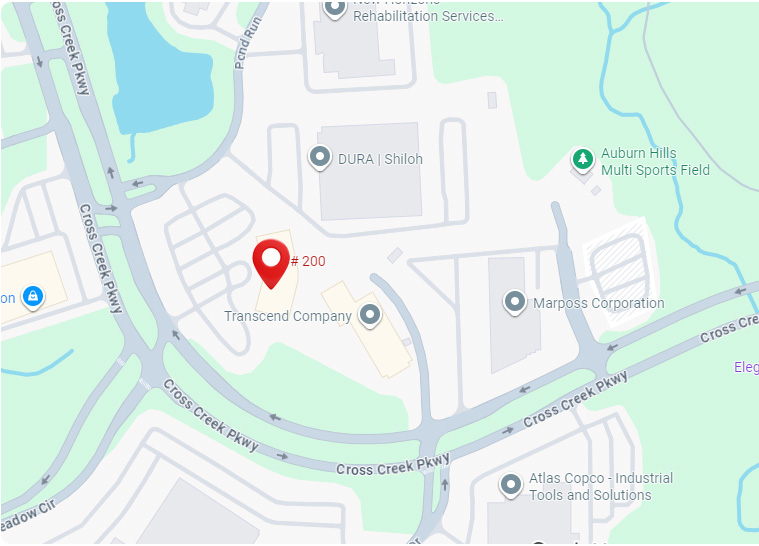
Auburn Hills office:
3100 Cross Creek Parkway
Suite 200
Auburn Hills, MI 48326
Monday to Friday, 8:00 am to 5:00 pm.
Schedule an Appointment
Our team is here to answer your questions and help you find the right treatment for your condition.