


Revision Knee Replacement
Revision Knee Replacement in Auburn Hills, MI
While most knee replacements provide many years of reliable pain relief and improved mobility, some patients may experience complications that require revision knee replacement surgery. Whether caused by implant wear, loosening, instability, infection, bone loss, or persistent pain, a failed knee replacement often requires specialized evaluation and treatment.
Nicholas B Frisch, MD | MBA is a fellowship-trained, board-certified orthopedic surgeon specializing in hip and knee replacement, outpatient surgery, robotic-assisted procedures, complex revision and advanced technology. He performs complex knee reconstruction and revision joint replacement procedures. Patients throughout Auburn Hills and the surrounding communities of Southeast Michigan trust Dr. Frisch for advanced revision knee replacement solutions designed to restore function, improve stability, relieve pain, and help them return to an active lifestyle.
Revision knee replacement surgery involves replacing part or all your previous knee prosthesis with a new prosthesis. Although total knee replacement surgery is successful, sometimes the procedure can fail due to various reasons and require a second revision surgery.
Disease Overview
The knee joints are lined by soft articular cartilage that cushion the joints and aid in smooth movement of the joint bones. Degeneration of the cartilage due to wear and tear leads to arthritis, which is characterized by severe pain.
Total Knee Replacement
During total knee replacement, the damaged cartilage and bone is removed from the knee joint and replaced with artificial components. Artificial knee joints are usually made of metal, ceramic or plastic and consist of the femoral component and the tibial component.
Indications
Revision knee replacement surgery may be advised to patients if they have one or more of the following conditions:
- Trauma to the knee joint
- Chronic progressive joint disease
- Increased pain in the affected knee
- Worn out prosthesis
- Knee instability or a feeling of giving way while walking
- Loosening of the prosthesis
- Infection in the prosthetic joint
- Weakening of bone around the knee replacement, a process known as osteolysis (bone loss)
- Stiffness in the knee
- Fracture
Surgical procedure
Revision knee replacement surgery may involve the replacement of one or all the components.
The surgery is performed under general or regional anesthesia. Your surgeon makes an incision over the knee to expose the knee joint. The kneecap along with its ligament may be moved aside so that there is enough room to perform the operation. Then the old femoral component of the knee prosthesis is removed. The femur is prepared to receive the new component. In some cases, the damaged bone is removed and bone graft or a metal wedge may be used to make up for the lost bone.
Next the tibial component along with the old plastic liner is removed. The damaged bone is cut and the tibia is prepared to receive the new component. Like the femur, the lost bone is replaced either by a metal wedge, metal cone or sleeve, or bone graft. Then, a new tibial component is secured to the end of the bone using bone cement. A new plastic liner will be placed on the top of the tibial component. If the patella (kneecap) has been damaged, your surgeon will resurface and attach a plastic component. The tibial and femoral components of the prosthesis are then brought together to form the new knee joint, and the knee muscles and tendons are reattached.
Risks and complications
Like all major surgical procedures, there may be certain risks and complications involved with revision knee replacement surgery. The possible complications after revision knee replacement include:
- Stiffness in the knee
- Infection
- Bleeding
- Formation of blood clots in the leg veins
- Injury to nerves or blood vessels
- Prosthesis failure
- Patella (kneecap) dislocation
- Ligament injuries
Postoperative care
Following revision knee replacement surgery, a Continuous passive motion (CPM) machine may be used to allow the knee joint to slowly move. The machine is attached to the treated leg which slowly moves the joint through a controlled range of motion, while you relax.
You can walk with crutches or a walker. Weight bearing will typically depend on the extent of the revision procedure performed and will vary from full weight bearing to non-weight bearing. A physical therapist will teach you specific exercises to strengthen your leg and restore range of motion to the knee. Your physical therapist will also provide you with a home exercise program to strengthen thigh and calf muscles.
Knee immobilizers may be used when performing physical therapy, walking and while sleeping to keep the knee stabilized.
Revision knee replacement surgery is performed to replace failed knee prosthesis with a new prosthetic component. The surgery improves mobility and enables you to return to normal activities with a pain-free knee.
In the event of an emergency dial 911.
In the event of a concerning post-operative complication, please contact us immediately for prompt support. Most concerns can be appropriately addressed by our team and we will make every effort to be available to you in a timely fashion. Avoid going to the Emergency Department for surgical issues unless necessary, or unless instructed by our team.
Additional Resources
Why Choose Dr. Nicholas B. Frisch for Revision Knee Replacement in Auburn Hills, MI?
Revision knee replacement is often more technically demanding than primary knee replacement surgery and requires advanced expertise in joint reconstruction. Dr. Frisch provides comprehensive care for patients experiencing complications from previous knee replacement procedures.
Fellowship-Trained Joint Reconstruction Specialist
Dr. Frisch specializes in hip and knee reconstruction, including complex revision procedures for failed, worn, unstable, or painful knee replacements.
Expertise in Complex Revision Cases
Revision surgery may involve addressing implant loosening, infection, instability, bone loss, stiffness, fractures, or mechanical failure. Dr. Frisch develops individualized treatment plans tailored to the specific cause of implant failure.
Advanced Surgical Planning
Comprehensive imaging, detailed evaluation, and careful preoperative planning help optimize implant selection, reconstructive techniques, and long-term outcomes.
Personalized Patient Care
Every patient receives an individualized treatment strategy based on their symptoms, prior surgical history, imaging findings, overall health, and recovery goals.
Comprehensive Support Throughout Recovery
From diagnosis through rehabilitation and follow-up care, Dr. Frisch and his team guide patients through every stage of the revision process.
Serving Southeast Michigan Communities
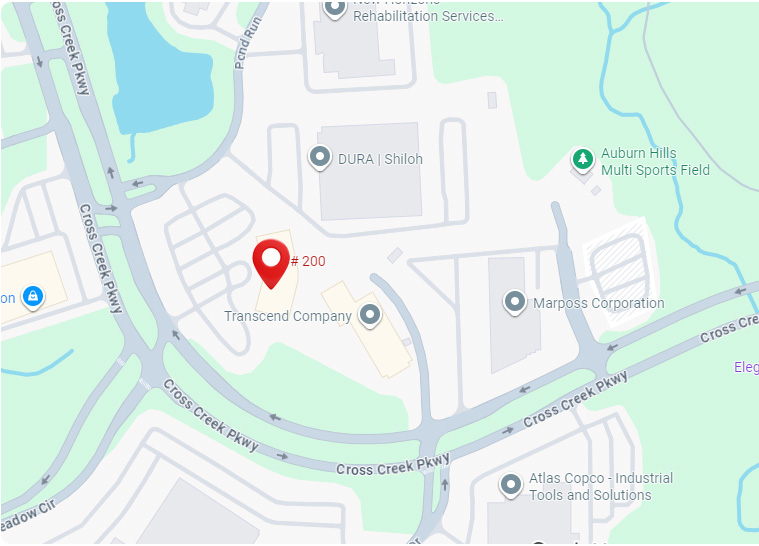
Located in Auburn Hills, Dr. Frisch proudly serves patients from Rochester Hills, Troy, Bloomfield Hills, Pontiac, Birmingham, Lake Orion, Clarkston, Sterling Heights, and surrounding Southeast Michigan communities.
Revision Knee Replacement FAQs
What is revision knee replacement?
Revision knee replacement is a surgical procedure that replaces part or all of a previous knee replacement implant when the original prosthesis has failed or developed complications.
Why might a knee replacement need to be revised?
Common reasons include implant wear, loosening of components, infection, instability, stiffness, fractures around the implant, bone loss, persistent pain, or mechanical failure of the prosthesis.
Is revision knee replacement more complex than primary knee replacement?
Yes. Revision procedures are generally more complex because they may involve removing existing implants, managing bone loss, correcting instability, and reconstructing damaged structures around the knee.
What symptoms may indicate a failed knee replacement?
Patients may experience increasing pain, swelling, instability, stiffness, difficulty walking, decreased range of motion, or a sensation that the knee is giving way.
How long is recovery after revision knee replacement?
Recovery depends on the complexity of the revision, the amount of bone and soft tissue reconstruction required, and the patient's overall health. Dr. Frisch will discuss an individualized recovery plan during your consultation.
Will physical therapy be necessary after revision surgery?
Yes. Physical therapy is an essential component of recovery and helps restore strength, flexibility, balance, and function following revision knee replacement.
Can revision knee replacement improve mobility and reduce pain?
In many cases, revision knee replacement can significantly improve joint stability, relieve pain, restore mobility, and enhance quality of life when performed for the appropriate indications.
Schedule a Revision Knee Replacement Consultation in Auburn Hills, MI
If you are experiencing pain, instability, stiffness, or complications following a previous knee replacement, specialized evaluation may help identify the cause and determine the most appropriate treatment. Dr. Nicholas B. Frisch provides advanced revision knee replacement care for patients throughout Auburn Hills and Southeast Michigan.
Take the next step toward restoring comfort, mobility, and confidence in your knee. Contact our Auburn Hills office today to schedule a consultation and learn whether revision knee replacement may be the right solution for your condition.
Schedule an Appointment
Our team is here to answer your questions and help you find the right treatment for your condition.