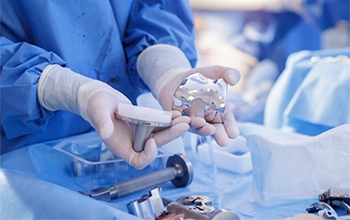


When debilitating knee pain, stiffness, and discomfort begin to limit your life, a knee replacement can feel like the only way forward. The prospect of surgery, however, often raises questions about precision and healing time. The good news is that orthopedics is constantly evolving, and today, advanced technology can help achieve surgical excellence. Learn how robotic-assisted knee replacement is setting a new standard for patient outcomes and a quicker return to mobility.
Unparalleled Precision Through Advanced Planning
Robotic-assisted knee surgery doesn't mean a robot is performing the operation independently. The surgeon remains in full control. Instead, the technology acts as an incredibly sophisticated guidance system. Before the procedure, we use advanced imaging, often including a CT scan, to create a detailed, three-dimensional virtual model of your unique knee anatomy.
This allows for a level of personalized surgical planning that was previously impossible. The exact size, position, and alignment of your new implant can be planned to within a fraction of a millimeter. This meticulous planning is key to optimizing the fit for your body, ensuring the implant works in perfect harmony with your natural ligaments and soft tissues.
Optimizing Implant Placement for Longevity with Robotic Guidance
During the surgery, the robotic arm translates the detailed pre-operative plan into a highly accurate surgical procedure. The system provides real-time visual and haptic (touch-based) feedback, guiding cuts with sub-millimeter precision.
- Accuracy: We ensure the implant is placed exactly where it was planned, which is a critical factor in how long your new joint will last.
- Soft Tissue Preservation: The precision allows removal of only the damaged bone, helping to preserve the surrounding healthy ligaments and soft tissue. This translates directly into a more stable knee and a more natural feel after recovery.
Accelerated Rehabilitation and Functional Outcomes
One of the most profound impacts of this technology is on the patient's rehabilitation journey. Because the surgery is less invasive and focuses on preserving healthy tissue, there is often reduced post-operative swelling and discomfort.
A highly accurate implant placement also leads to a more balanced knee joint. This optimal alignment is essential, as it allows your physical therapy to focus on rebuilding strength and motion, rather than correcting alignment issues. Patients often find they can mobilize faster, shorten their hospital stay, and return to everyday activities like walking, driving, and even sports sooner than with conventional methods. This is the new benchmark for a successful recovery: a quicker, smoother transition back to a life of full function.
Is Robotic-Assisted Surgery Right for You?
The rapid advancements in orthopedic technology are incredibly exciting, but the human element remains the most important part of the process. While robotic assistance offers significant benefits, the experience of the surgeon guiding the technology is what ultimately delivers a successful outcome. If you are exploring options for knee arthritis relief and want to understand how this precise technology can be tailored to your unique anatomy and goals, schedule a consultation with Dr. Frisch.
AUTHOR: Nicholas Frisch, MD is a specialist orthopedic surgeon focusing on minimally invasive hip and knee joint replacement as well as complex primary and revision surgery. He believes in creating a personalized experience with the highest level of service. For all appointments & inquiries, please contact our offices located in Rochester, MI.